Visual Brief Creation
We create visual briefs that ensure your product images don't just look attractive; they communicate your product's core sales promise, usage scenarios and reasons to buy in the right sequence.
MercanWorks prepares sales-focused PDF design briefs ready to be sent to your in-house designers, agencies, photographers or AI image generation workflows. The goal is not to produce the exact same visual; it's to clarify which image should serve which sales purpose.
What Is Visual Brief Creation?
Visual brief creation is the process of planning product images according to a sales strategy. During this process, the product's technical specifications, target audience, competitor visuals, sales promise, product description, ad copy and customer behaviour on the platform are all evaluated together.
The goal is not simply to hand a design request to a visual designer. The goal is to clarify how the product needs to be communicated to the customer.
A well-prepared visual brief answers the following questions:
- What should the hero image make the customer feel first?
- Which problem should the second image address?
- In which usage scenario should the product be shown?
- In which image should the technical specification be explained?
- Which image should build trust?
- Which image should highlight differentiation from competitors?
- How should the closing image strengthen the brand?
Why Is a Visual Brief So Important?
Because in e-commerce, the customer's decision window is very short. The customer sees the product first, then reads the title, then checks the price and reviews. Once on the product page, they try to understand the product quickly through the hero image and carousel visuals.
The brand does not have long minutes to convince the customer. In most cases, the decision of whether a product is worth buying is formed within a few seconds. This is why the hero image and other visuals cannot be prepared randomly.
Visuals must carry the following responsibilities:
- Quickly communicate what the product is
- Clearly show the primary benefit
- Make the usage scenario understandable
- Visually prove the technical specification
- Highlight what differentiates it from competitors
- Build trust with the customer
- Reinforce the premium or quality perception of the product
- Make the purchase decision easier
In MercanWorks visual briefs, each image is assigned a distinct sales task. This way, carousel visuals work not as repetitions of the same design, but as a sales story that convinces the customer step by step.
One of the most valuable inputs when preparing a brief is customer reviews: which expectation went unmet, which feature turned into a complaint because the images never showed it. N-XPlus, the app we developed, reads customer reviews per product and summarizes complaint and expectation signals; it even catches the customer who gives five stars yet writes a complaint.
Ads, Title and Visuals Must Be Considered Together
Advertising brings the customer to the product. The product title tells the customer what the product is. The product description details the technical specifications and benefits. But the hero image and other visuals enable the customer to understand the product quickly.
For this reason, a visual brief is not solely a design matter. It is the visual translation of the ad, title, description and sales message.
- If the promise made in the ad is not visible in the visual, the customer may disengage.
- If the technical feature highlighted in the title is not supported visually, the product's strength will not be felt sufficiently.
- If the usage scenario described in the description is not present in the visual, the customer may not be able to imagine the product in their own life.
This is why MercanWorks visual briefs are developed in conjunction with all other elements of the product page.
How Are Briefs Delivered?
MercanWorks prepares visual briefs in an organised and actionable format tailored to the client's use case. Depending on the scope of the work, briefs can be delivered in PDF format.
This PDF includes separate direction for each image. It typically covers the following headings:
- The sales purpose of the image
- Primary message
- Suggested headline or short text
- Scene and composition concept
- Product placement and background direction
- Usage scenario
- Technical specification to be highlighted
- Visual clichés to avoid
- Notes specific to the designer
This format enables the in-house designer, external agency, photographer or AI image generation team to understand exactly what needs to be done. The goal is not to restrict the designer, but to clarify the sales purpose of the design.
Meeting and Brainstorming Process
A visual brief does not have to be a task that ends with simply sending a PDF. MercanWorks can, when needed, organise meetings with the client, graphic team or agency to brainstorm around the brief.
The following topics can be discussed in these meetings:
- Which visual concept is stronger?
- Which sales message is clearer?
- In which image is the product better understood?
- Which text is becoming too technical?
- Which design language is slipping into cliché?
- Which image needs revision and which can be approved?
Through this process, the brief moves beyond being merely a theoretical document. It becomes a creative roadmap that the production team can understand, discuss and implement.
8-Image Carousel Strategy
For many e-commerce products, a single image cannot carry the entire sales responsibility. Product visuals should be conceived within a carousel structure where each image serves a different sales purpose.
For example, a visual sequence for a product might be structured as follows:
- 1. Hero launch image: capture attention
- 2. Real usage scenario: show it in action
- 3. Technical specification or macro detail: demonstrate quality
- 4. Problem and solution narrative: resolve the issue
- 5. Trust or quality proof: build confidence
- 6. Differentiation from competitors: show the difference
- 7. Lifestyle usage context: place it in everyday life
- 8. Premium closing or brand assurance: close with the brand
This structure does not have to be identical for every product. It can vary depending on the product's category, target audience, price segment and sales promise. What matters is that each image does not simply repeat the same thing.
MercanWorks reinterprets this sequence on a product-specific basis.
Each Image Should Have a Single Message
One of the most common mistakes in e-commerce visuals is overloading a single image with too many messages. When a single image contains product features, usage scenarios, technical data, icons, badges and long texts simultaneously, the customer may miss the primary message.
A good visual brief assigns a single primary task to each image:
- This image will communicate that the product is powerful.
- This image will demonstrate ease of use.
- This image will prove technical quality.
- This image will convey the safety promise.
- This image will show the difference from competitors.
- This image will create a lifestyle perception.
This approach makes visuals simpler, more comprehensible and more professional. MercanWorks visual briefs avoid cluttered icon arrangements, unnecessary badges, repeated templates and an artificial advertising appearance.
Not Copying a Visual, but Building the Right Visual Logic
The purpose of the visual brief creation service is not to replicate another brand's image verbatim. The goal is to analyse effective visual logic and create an original visual strategy suited to the brand's own product, target audience and sales promise.
Competitor or reference visuals can be examined. However, this analysis is not for copying; it is conducted to answer the following questions:
- Why does this visual capture attention?
- Which sales message does it convey powerfully?
- From which angle does it communicate the product more effectively?
- How can the same logic be applied more originally to our product?
Rather than directly replicating references, MercanWorks visual briefs build a new visual DNA suited to the product's own identity.
How Does MercanWorks Work?
What the product is, which customer it speaks to, which problem it solves and with which sales promise it will stand out are analysed. The product is evaluated not only through its technical specifications, but also through the perception it will create in the customer.
Product visuals of local and global competitors are examined. Which visual patterns are overused, which promises have become clichéd and where opportunities for differentiation exist are identified. The goal is not to copy, but to read the visual language of the market and establish a stronger direction.
Technical features and customer benefits are evaluated. Which promise should appear in the hero image, which in the second or third image, which technical detail must absolutely be visualised? The visual sequence is built around answers to these questions.
A visual family is conceived for the product. The purpose, message, text, scene concept and design direction of each image are determined separately. This plan is arranged in a form that the graphic team or agency can work from directly.
Depending on the scope of the work, the brief is prepared in PDF format. It can be sent to client-side designers, agencies or external production teams. The purpose, composition direction, text suggestions and details requiring attention for each image are clearly included.
A meeting can be held with the client or design team based on the brief. Approved concepts are clarified, weak points are revised and the production process is placed on a more solid foundation. This process ensures the design progresses not only aesthetically, but with a sales focus.
The Visual Brief Is at the Centre of the Sales Process
The product title introduces the product to the customer. The product description explains the details. Advertising brings the customer to the page. But the visual is the area where the customer understands the product most quickly.
A well-prepared visual brief visualises the promise made in the title, supports the benefits described in the description, strengthens the ad message and makes the reasons to purchase the product visible within seconds.
It is also directly connected to advertising performance: even if a Trendyol, Hepsiburada, Amazon or Google Ads campaign brings the customer to the page, clicks may not convert to sales if the visuals are weak. As a P&L and ad efficiency analysis will reveal, low conversion rates are often caused by weak visuals.
Who Is This Service For?
- Suitable for brands whose product visuals do not clearly communicate the sales promise.
- Suitable for businesses that struggle to give clear direction to their graphic team or agency.
- Suitable for sellers who want to make the product visual sequence on Trendyol, Hepsiburada, Amazon or their website more strategic.
- Suitable for businesses whose products receive ad clicks but whose visuals fail to sufficiently convince the customer.
- Suitable for brands that want to break free from repeated templates and build a stronger visual family.
- Suitable for teams that want to use AI image generation but struggle to establish the right prompt logic and visual reasoning.
- Suitable for brands with in-house designers who need a strategic brief before design work begins.
- Suitable for businesses working with an agency but wanting to provide a clearer, more sales-focused brief to that agency.
What Do We Do in This Service?
- We analyse the product's core sales promise.
- We define visual messages according to the target audience.
- We examine local and global competitor visuals.
- We create the carousel visual sequence for the product.
- We define the sales purpose of each image.
- We prepare visual headline and short text suggestions.
- We create PDF design briefs ready to be sent to the graphic team or agency.
- We provide guidance on product placement, composition, scene, background and visual language.
- We identify clichéd design patterns to avoid.
- We run a meeting and brainstorming process based on the brief when needed.
What We Do Not Do
- We do not copy other brands' visuals verbatim.
- We do not recommend 8 different versions of the same template.
- We do not plan visuals solely to look attractive.
- We do not automatically apply the same carousel sequence to every product.
- We do not encourage unnecessary icon, badge and cluttered text usage.
- We do not prepare briefs that change the product's identity or misrepresent the product.
- We do not proceed with visual suggestions that lack a sales message.
Why MercanWorks?
Because in e-commerce, a product visual is not just design. A product visual is a sales tool that accelerates the customer's purchase decision.
The right visual brief quickly communicates to the customer what the product is, what it does, why it is trustworthy, which problem it solves and how it differs from competitors.
MercanWorks visual briefs are prepared together with the product title, description, ad copy, technical specifications, customer expectations, competitor analysis and sales message. This way, the design team does not merely produce "a beautiful visual." Each team member knows why each image exists, which message it carries and which decision it should move the customer closer to.
What Does a Brief Output Look Like?
Examples of carousel visual outputs produced through the visual brief process. Each image carries a different sales responsibility.

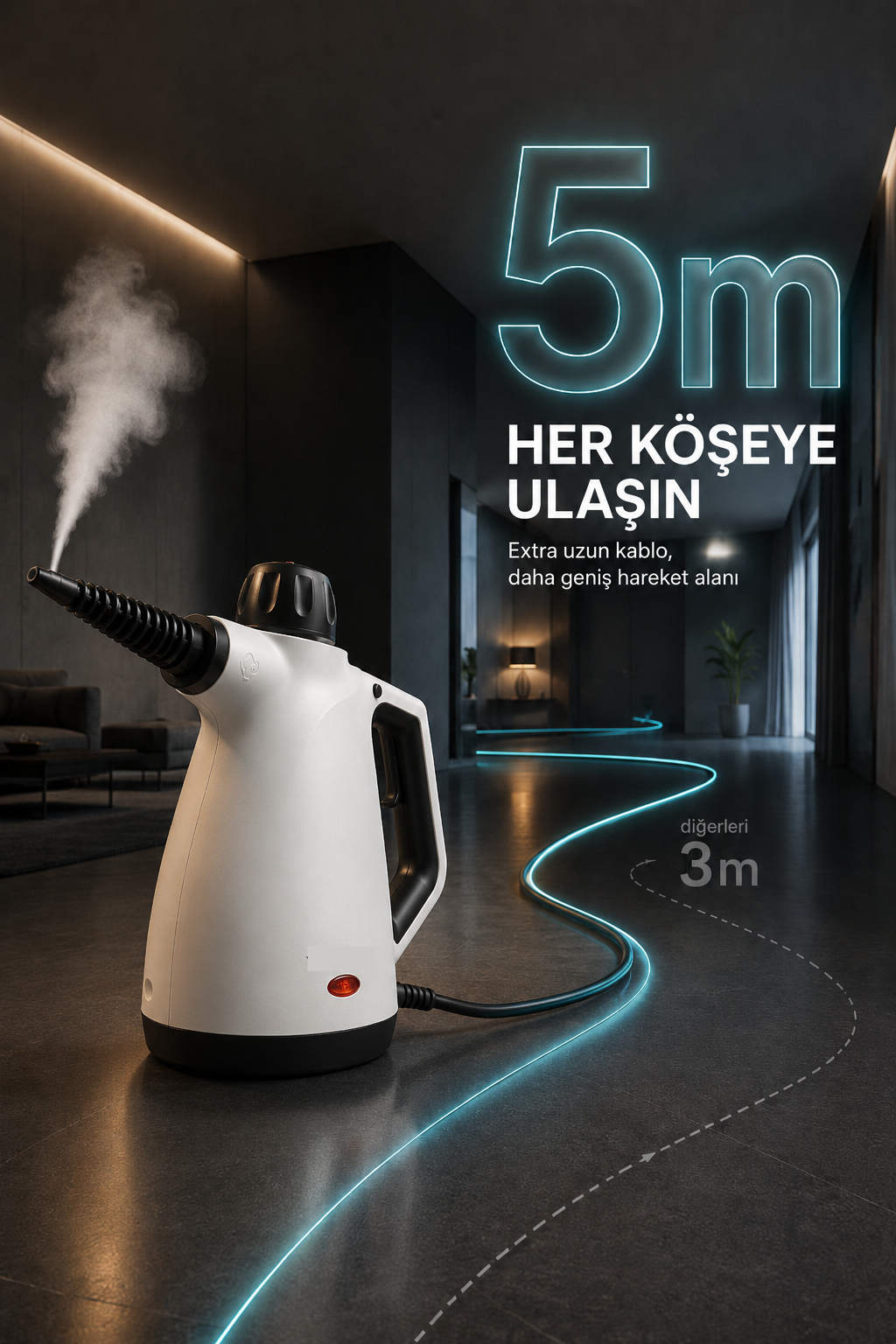


Each image is planned separately to communicate a different sales promise of the product to the customer.
Frequently Asked Questions About Visual Brief Creation
Visual brief creation is a strategic direction process that determines which message each product image should convey, in what order, with what composition and for what sales purpose. These briefs clearly show the graphic team, agency, photographer or AI image generation workflow how the product needs to be communicated.
No. A visual brief is not a conventional graphic design service. The brief is a strategic direction document that clarifies what the design team or agency needs to produce.
Yes. Depending on the scope of the work, PDF design briefs can be prepared that include the purpose, message, text suggestion, composition direction and design notes for each image.
Yes. Visual briefs can be prepared to be sent to in-house designers, agencies you work with, photographers or AI image generation teams.
Yes. If needed, a meeting can be arranged based on the brief, brainstorming can be conducted, and the points to be approved or revised can be evaluated together.
Because in e-commerce, the customer's attention span is short. The hero image and carousel visuals must very quickly communicate what the product is, what it does and why it should be purchased.
No. Reference visuals can be analysed, but the goal is not to copy them. The goal is to create a sales-focused, original visual strategy suited to the product's own identity.
It is not mandatory for every product. However, for many e-commerce products, the hero image and the following carousel visuals are important for convincing the customer step by step. The number of visuals is determined according to the product's category, sales promise and platform.
Yes. Advertising brings the customer to the product; visuals enable the customer to understand the product quickly. If the visuals are weak, traffic from ads may not convert to sales.
Yes. The primary promise made in the title is elaborated in the description and supported visually. The visual brief ensures all three areas serve the same sales strategy.
Let Your Visuals Sell the Product
Let us prepare a sales-focused visual brief ready to send to your graphic team or agency. Let us determine together which sales task each image will take on.